
Available via AV-Arkki , the Centre for Finnish Media Art
In my media art practice, I examine games and play as metaphors for adult life, exploring the “inner child” as a space where vulnerability and survival strategies converge. My recent work brings Finnish and Beninese traditions into dialogue, and I am currently expanding this inquiry to Japan.
Artistic Approach: The Ritual of Play
My creative process is an exploration of how meaning emerges when human interaction is displaced from its original context. I observe and document traditional games within specific cultural settings, later re-staging these structures with adult participants in new, often industrial or symbolic environments.
Rather than scripting behavior, I create conditions where participants negotiate closeness, distance, and social roles through embodied action. In these unscripted situations, the childhood game serves as a framework through which emotions and memories become visible and easier to articulate. Moving image becomes my way of observing how these shared metaphors and narrative connections emerge between people.
Context and Inspiration
In my exploration of play, I am inspired by the long history of its study within philosophy, history, and ethnology. Play is not merely a childhood activity, but a central part of human culture that has been analyzed since ancient Greece.
For instance, Aristotle regarded play as a way to recover and refresh oneself after work. Later, the 18th-century playwright and historian Friedrich Schiller understood the “play drive” (Spieltrieb) as a foundational condition for culture. He saw play as selfless—an activity that does not pursue utility, but instead enables a kind of organic creativity and freedom that is essential for any society. — Adapted and translated from: Friman, Arjoranta, Kinnunen, Heljakka & Stenros (eds.) Pelit kulttuurina (Vastapaino, 2022).
Seksillä kotiin / What Is Left Unsaid (2014)
I began my studies by creating this multichannel work, which explores communication and the nuances of how messages are transmitted and interpreted. The project involved two participants filmed simultaneously from two perspectives, repeating the same sentence with variation while responding to each other. The result is a study of complex communication emerging from minimal elements.
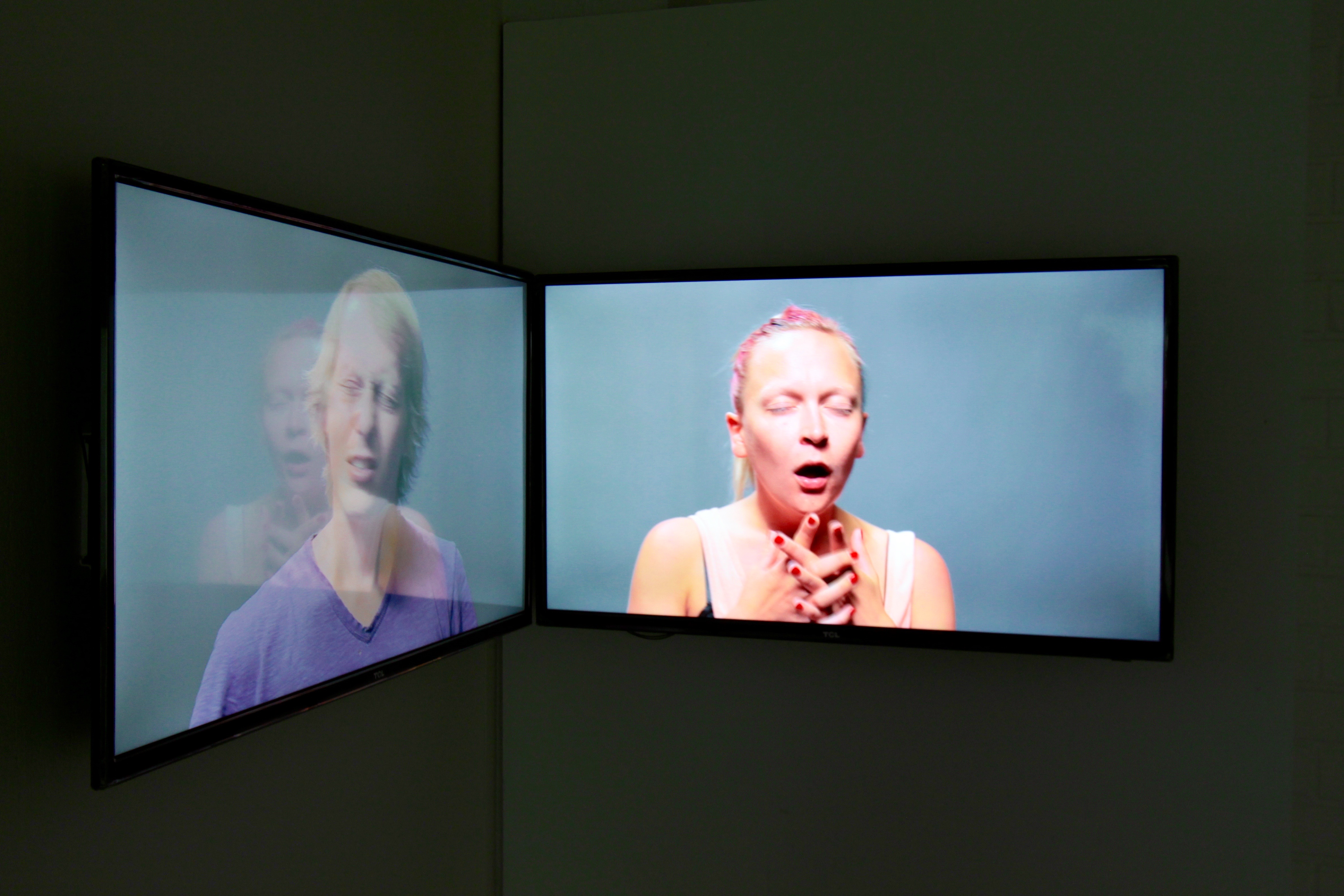
Peili / Mirror (2014/2019)
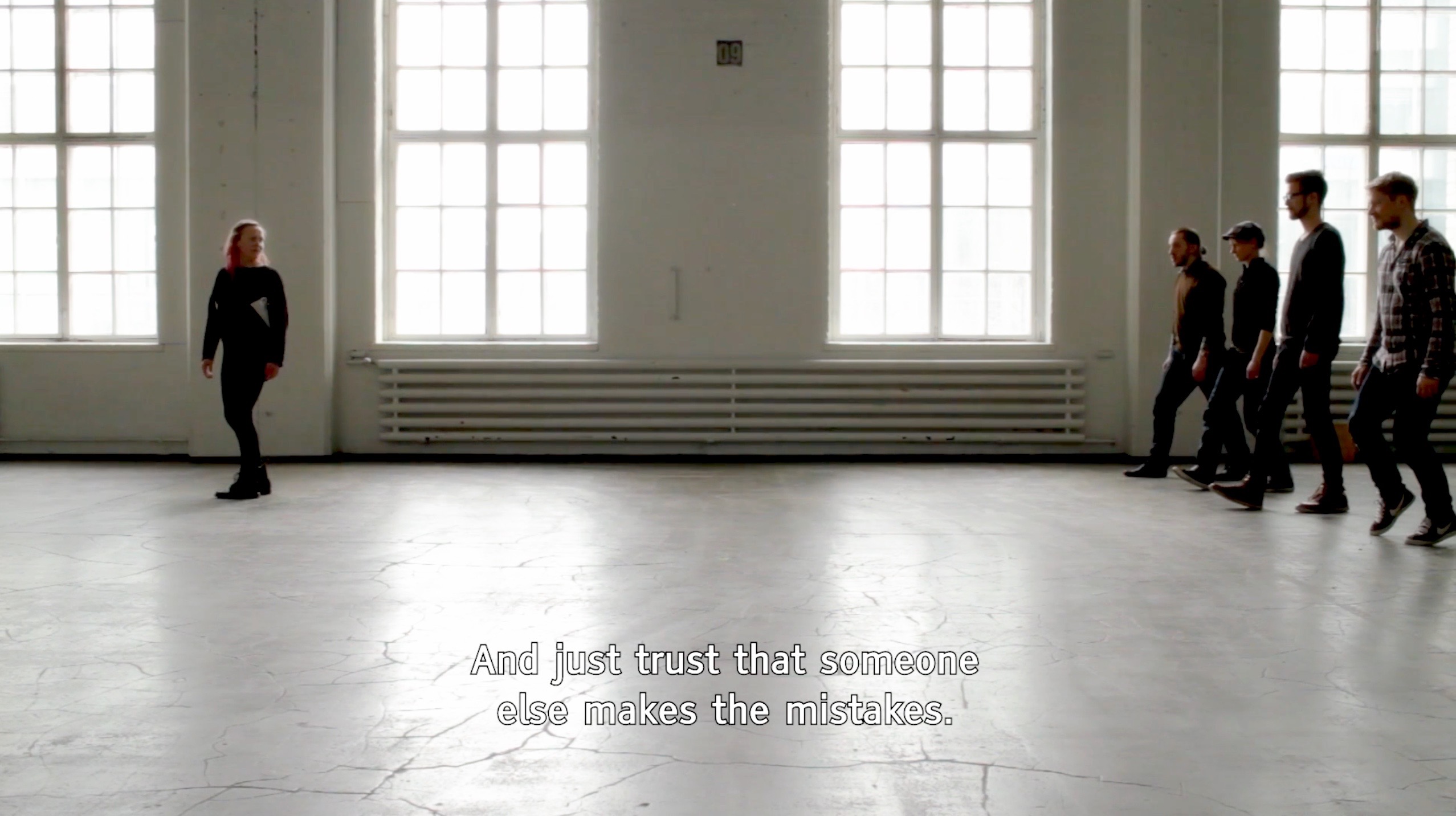
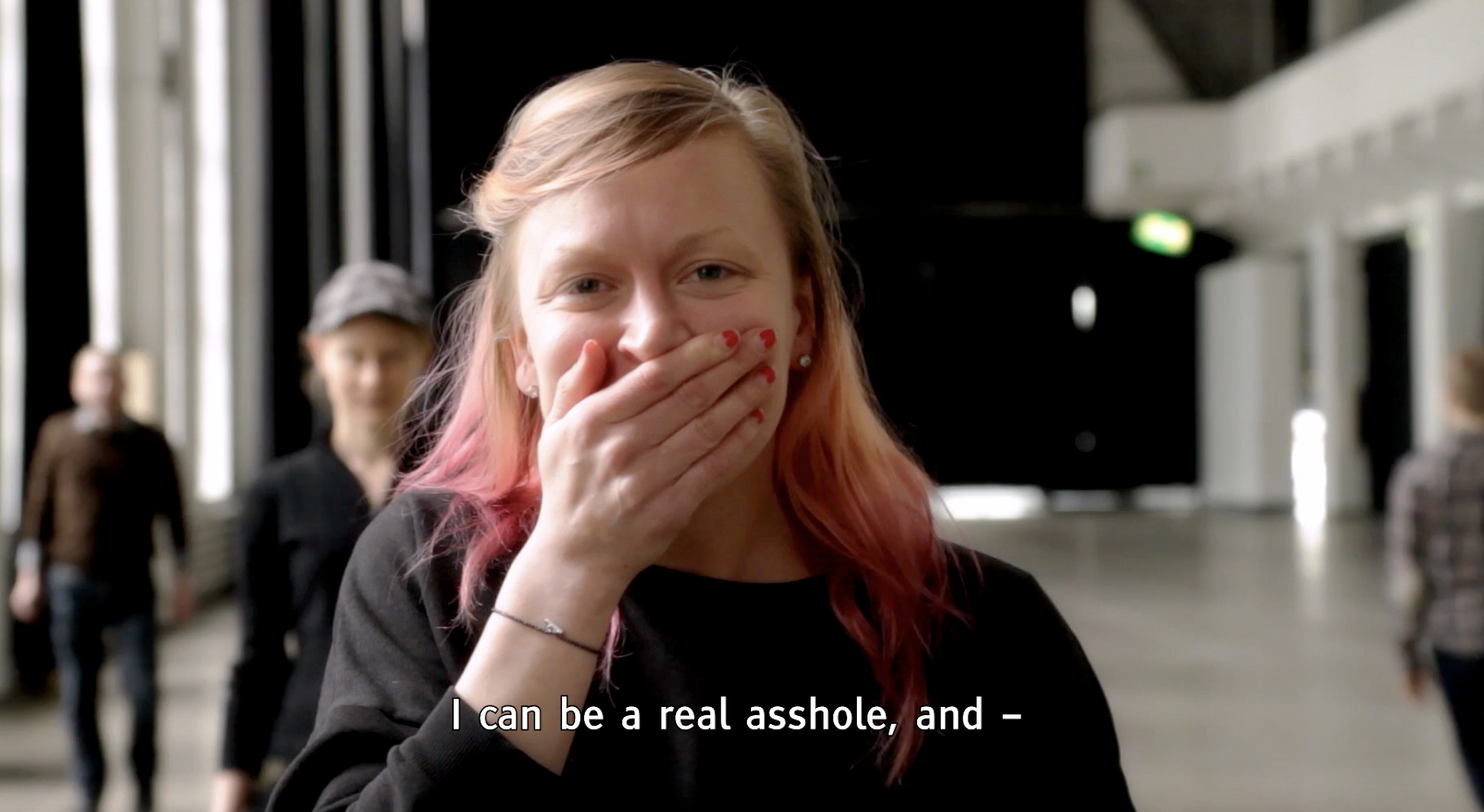
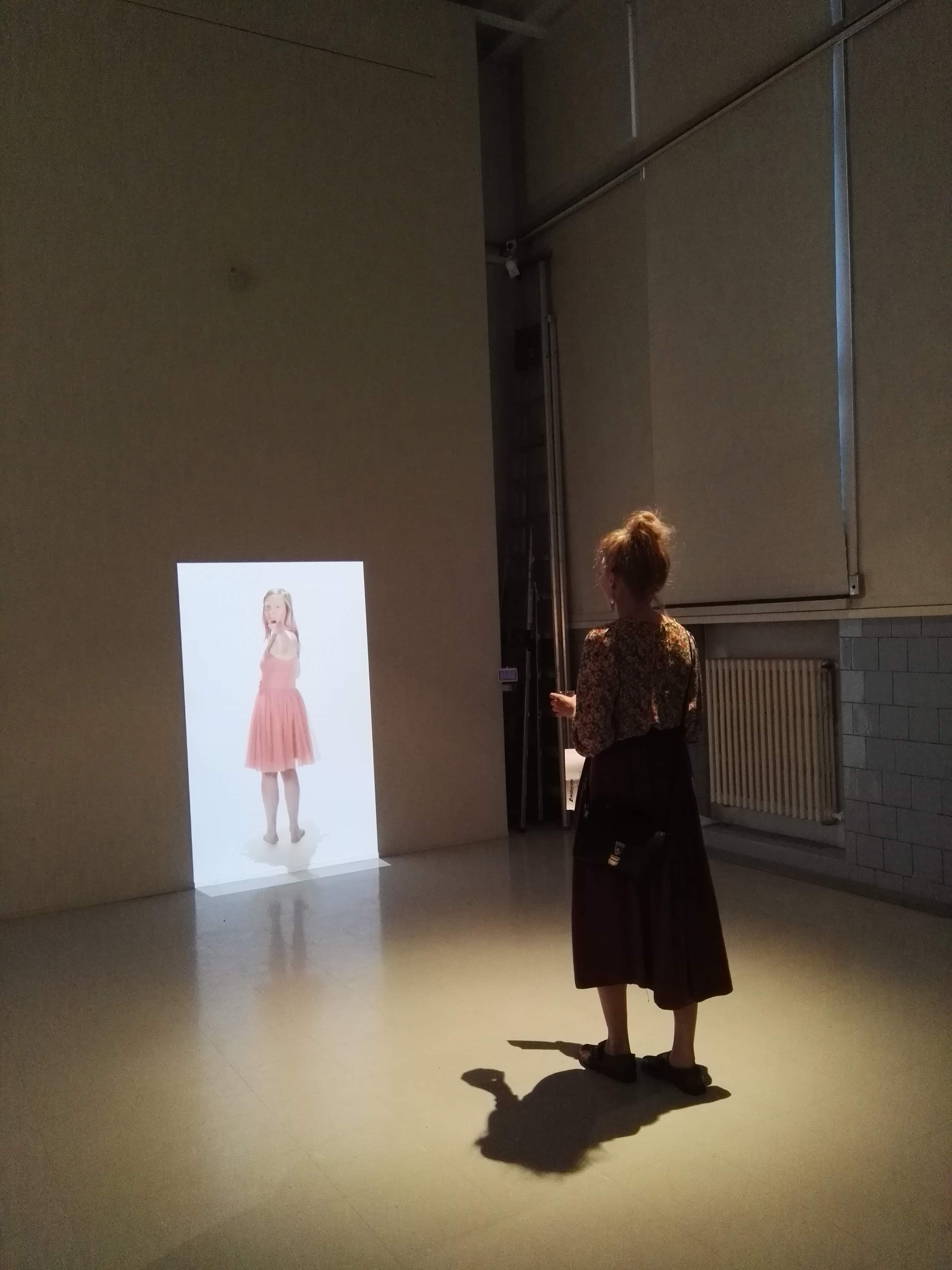
Mirror (2014, multichannel; 2019, single-channel) examines relationship dynamics—particularly the pursuer–avoider dynamic—through a traditional Finnish children’s game. The work reflects on how the longing for love and acceptance drives us to pursue others, while exploring the boundaries of whom we let close.
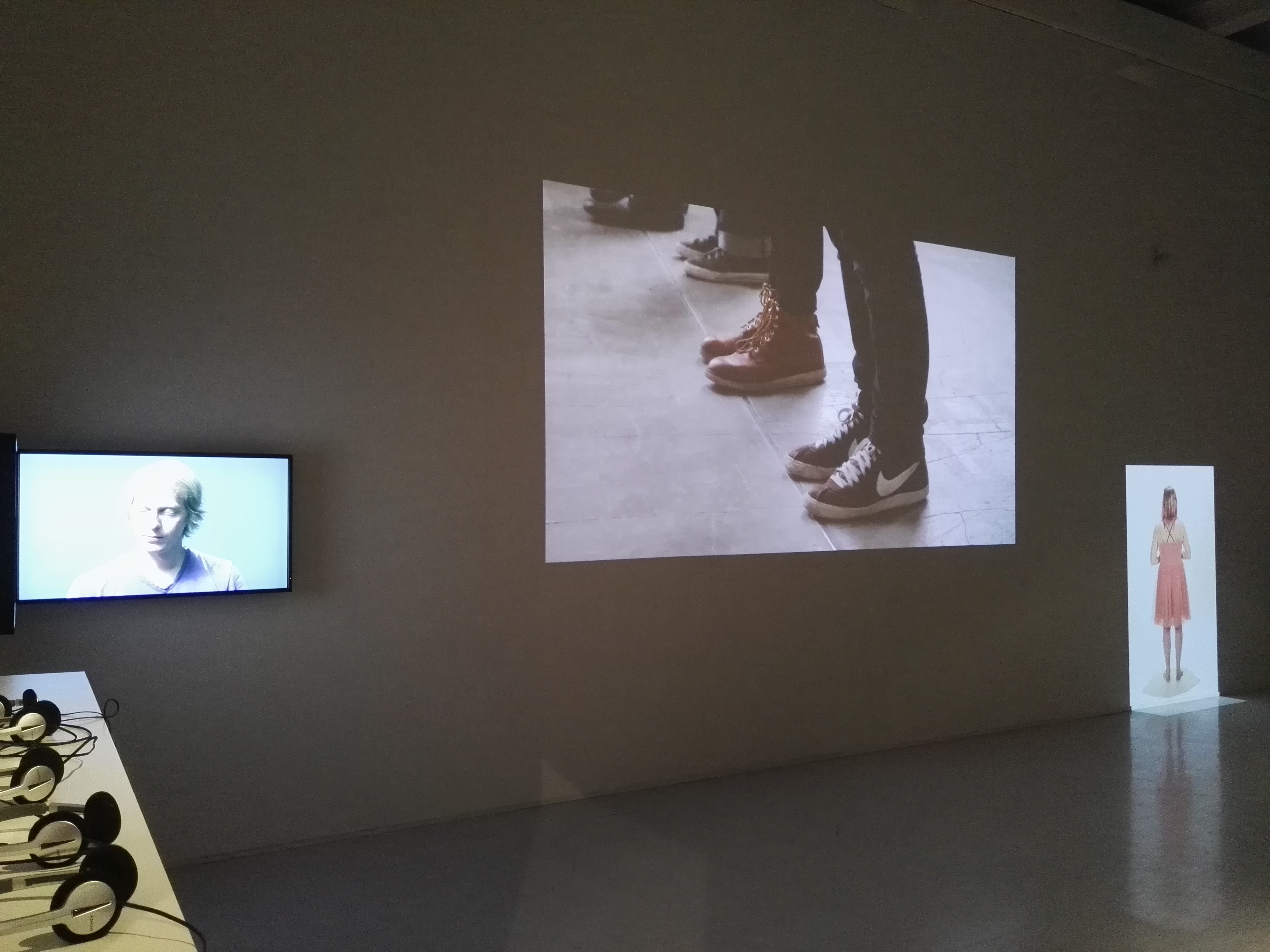
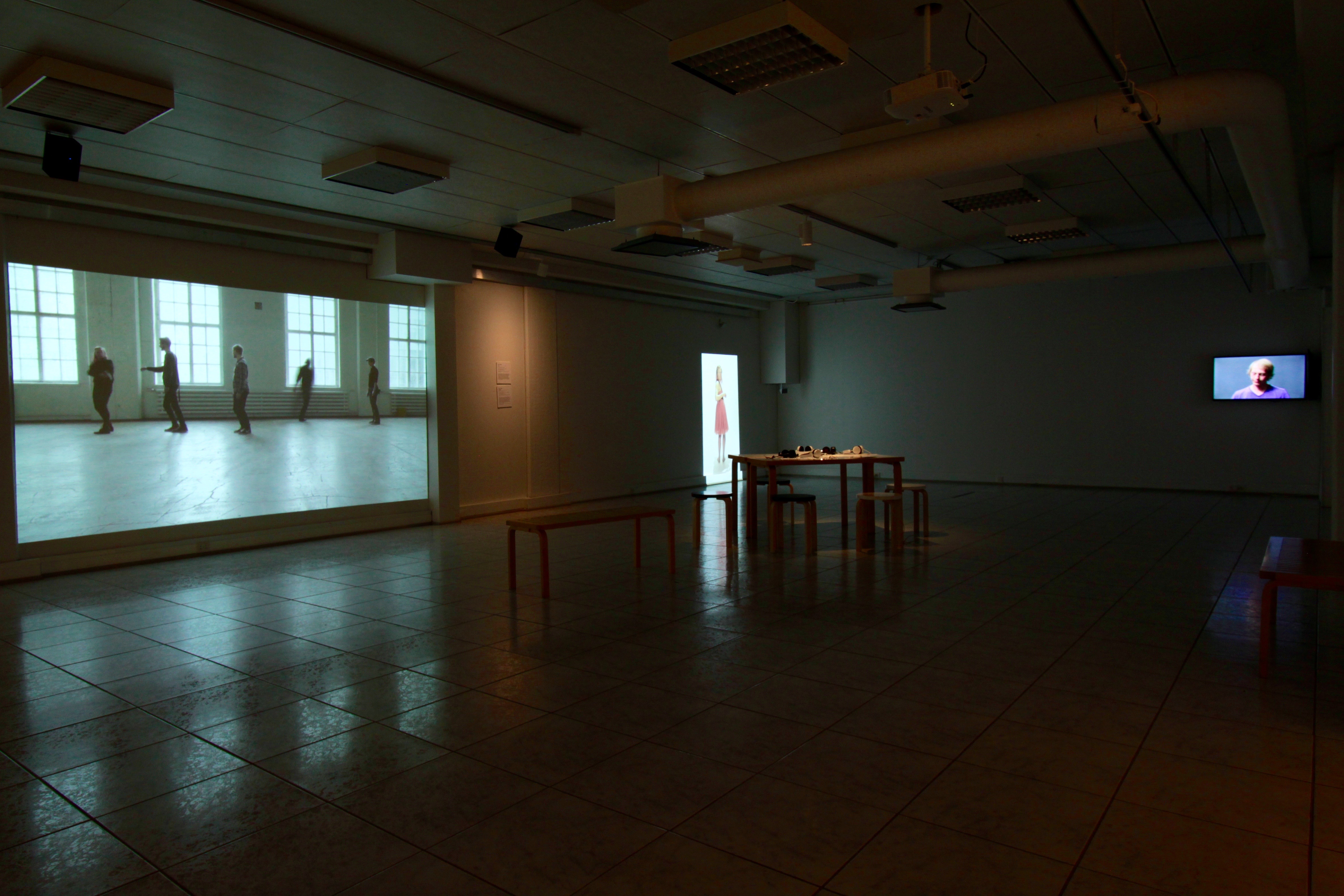
The original installation, Event Horizon (2014–2016), combined What Is Left Unsaid and the multichannel version of Mirror with an interactive component, allowing viewers to “play” with the woman on screen. Later, the material from Mirror was developed into a single-channel work, which has been screened at various international film festivals.
Switch Place – Adjidji Ya
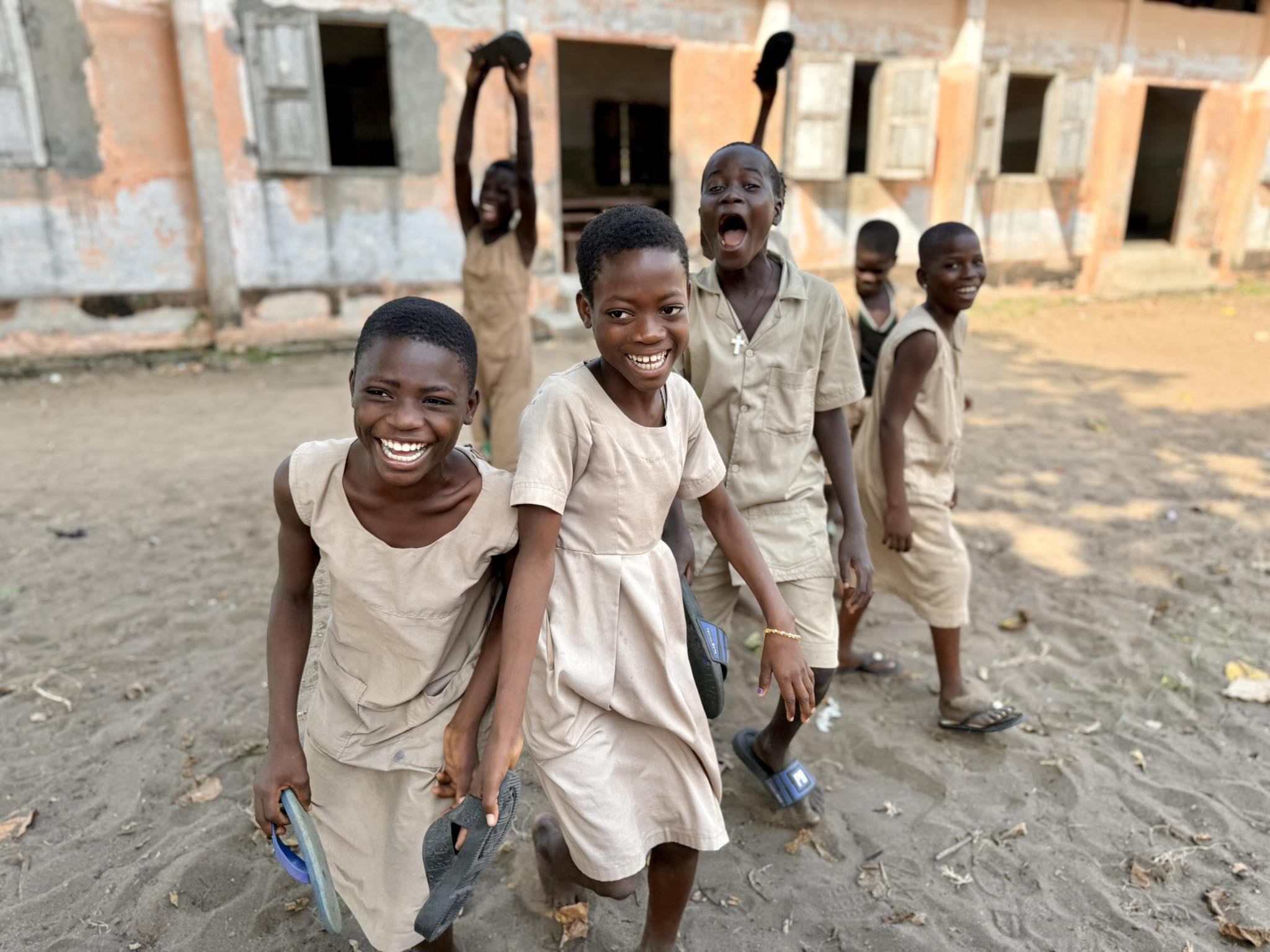
My next project explores cultural identity and memory through the framework of childhood play. The work originates from observations made during a residency at Villa Karo in Grand-Popo, Benin, and translates these traditions into the context of the Beninese diaspora in Finland.
Participants act as co-creators, re-staging the game within the resonant, industrial space of Oil Tank 468 in Helsinki. The work is inherently multilingual—weaving together native languages, colonial history, and the language of the new home—and features a choral element.
Research in Japan: Play and Ritual
The next stage of the project is planned for Tokyo, where I will collaborate with Jiyu Gakuen School and Tokyo Gakugei University.
Japan offers a meaningful context for this research; traditional games such as Hanetsuki and Uta-garuta have historically been played by both children and adults in ritual settings, blurring the boundaries between play, ceremony, and social participation. Together with Mirror and Switch Place – Adjidji Ya, this new work will complete a series exploring play as a universal cultural language.
Screenings
- Lyhytelokuvapäivät, 2020
- Internationale Kurzfilmtage Oberhausen, Germany 2020
- Film Fest Dresden, Germany 2020
- Braunschweig International Film Festival, Germany, 2019
- Videoforma7, St. Petersburg, Russia, 2019
- Muu Gaala, Helsinki, Joensuu 2019
Exhibitions
- Art Fair Suomi 2019, group exhibtion
- Muu Gaala, Gaala Replay, Muu Galleria, Helsinki and Juhlat/Bileet/Party/Fest/Hïeje, Taidemuseo Ahjo, Joensuu, 2019, group exhibition
- Event Horizon /Tapahtumahorisontti / Seinäjoki Art Hall / Seinäjoen Taidehalli, 2016,solo exhibition
- Solo Exhibition: Tapahtumahorisontti / Event Horizon Art Center Mältinranta / Taidekeskus Mältinranta, 2016
- Group Exhibition: Art Fair Suomi 2015
- Solo Exhibition: Tapahtumahorisontti / Event Horizon Galleria Huuto, 2014
 MARJO VIITALA
2 Replies to “New Media Art”